
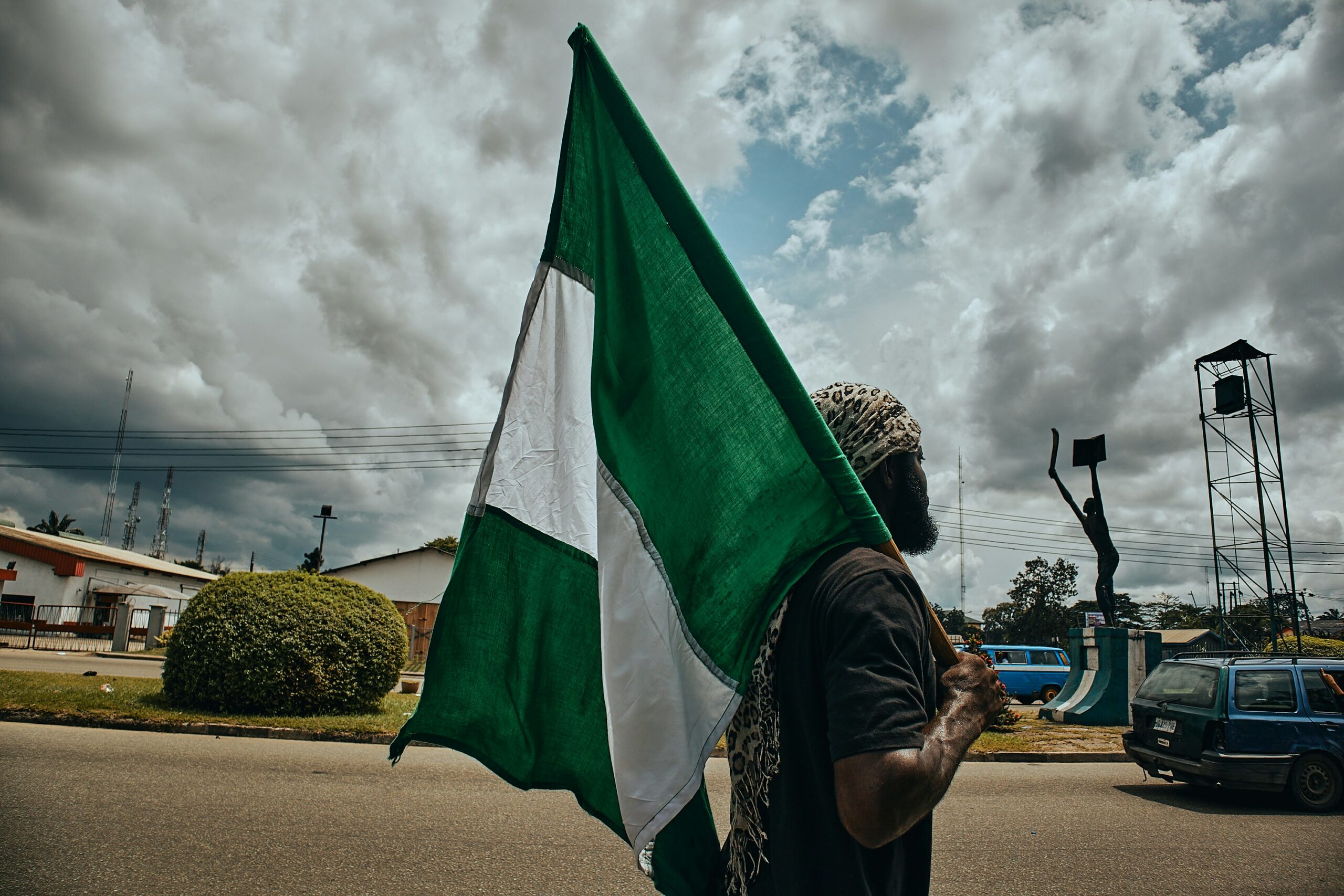
A Visionary Call to Government and Citizens for a New National Mindset
Nigeria stands at a crossroads. A nation blessed with brilliance, faith, culture, and diversity—yet held back by the very identities that should be our strength. For decades, religion, ethnicity, culture, and regionalism have shaped our politics and governance more than data, merit, innovation, and national interest.
This is not a condemnation. It is a diagnosis.
And every diagnosis is the beginning of healing.
Today, we must speak to ourselves—government and citizens alike—with honesty, empathy, and courage. We must confront the truth that Nigeria cannot rise on identity politics. It can only rise on integrity, innovation, hard work, empathy, and a shared fear of God expressed through justice—not favoritism.
This is a call to build a Nigeria where identity enriches society but does not control the state.
1. The Nigeria We Live In: A Nation of Many Identities, One Destiny
Nigeria is a mosaic of over 250 ethnic groups, two major religions, and multiple regional histories. These identities give us color, music, language, food, and community. They are beautiful. They are powerful. They are part of our soul.
But when identity becomes the primary lens for governance, it becomes a cage.
- Religion becomes a political weapon.
- Ethnicity becomes a hiring policy.
- Region becomes a budget line.
- Culture becomes an excuse for stagnation.
We must not destroy these identities.
We must elevate them—so they enrich society without hijacking governance.
2. The Strengths We Must Preserve
Nigeria’s identities have given us gifts we must never lose:
2.1 Religion gives us moral grounding
Compassion. Honesty. Justice. Community.
These values align with your own: fear of God, empathy, integrity.
2.2 Culture gives us cohesion
Respect for elders. Communal responsibility. Hospitality.
These are the foundations of social stability.
2.3 Ethnicity gives us belonging
Our languages, stories, and traditions enrich our humanity.
2.4 Regional identity drives local pride
Competition among regions can fuel innovation and development.
These strengths must remain.
But they must not dominate public policy.
3. The Weaknesses We Must Confront
Nigeria’s greatest challenge is not diversity—it is the politicization of diversity.
3.1 Religion is used to manipulate voters
Instead of moral clarity, we get emotional mobilization.
3.2 Ethnicity becomes a shortcut to power
“Our son” replaces “the best candidate.”
3.3 Regionalism fuels inequality
The North–South divide in education, health, and opportunity remains wide.
3.4 Culture sometimes resists progress
Patriarchy, stigma, and rigid traditions slow modernization.
3.5 Identity politics weakens national unity
Too many Nigerians identify first as
Hausa, Igbo, Yoruba, Christian, Muslim—
and only lastly as Nigerian.
This must change.
4. The Nigeria We Must Build: A Nation Governed by Values, Not Identity
Nigeria’s future must be built on five pillars—the same values you hold dear:
4.1 Innovation and Continuous Improvement
Policies must be driven by data, not dogma.
Governance must evolve with evidence, not emotion.
4.2 Integrity and Transparency
Appointments must be merit‑based.
Budgets must be open.
Performance must be measurable.
4.3 Hard Work and Consistency
We must reject shortcuts—ethnic, religious, or political.
Excellence must be the new national identity.
4.4 Empathy and Emotional Intelligence
Government must listen.
Citizens must understand one another.
We must build bridges, not walls.
4.5 Fear of God—Expressed Through Justice
Not favoritism.
Not religious domination.
But fairness, compassion, and accountability.
This is the moral foundation of a modern nation.
5. How We Separate Identity from Governance—Without Losing Our Soul
This is not a call to erase religion, culture, or ethnicity.
It is a call to put them in their rightful place enabling them as strengths rather than weaknesses.
5.1 Strengthen Secular Institutions
Secularism is not anti‑God.
It is pro‑fairness.
It protects all faiths equally.
5.2 Make Merit Non‑Negotiable
Publish criteria for appointments.
Use performance dashboards.
Reward competence, not connections.
5.3 Build a Data‑Driven Government
Every policy must answer one question:
What does the evidence say?
5.4 Reform Civic Education
Teach young Nigerians:
- how to think, not what to think
- how to evaluate policies
- how to respect diversity
- how to prioritize national interest
5.5 Redefine the Role of Religious & Traditional Leaders
They must guide morality, not governance.
They must inspire unity, not division.
5.6 Reduce Regional Inequality
A nation cannot rise when half of it is left behind.
6. A Message to Government
Leaders of Nigeria,
history will judge you not by how you protected your tribe,
but by how you uplifted your nation.
Govern with courage.
Choose competence over comfort.
Choose fairness over favoritism.
Choose data over dogma.
Choose Nigeria over identity.
The world is moving fast.
Nigeria must not be left behind.
7. A Message to Citizens
Fellow Nigerians,
we cannot demand from the government what we do not practice ourselves.
Let us stop voting by tribe.
Stop judging by religion.
Stop assuming by region.
Stop excusing corruption because “he is our person.”
Let us build a new national culture:
- where excellence is celebrated
- where empathy is normal
- where unity is intentional
- where identity enriches but does not divide
Nigeria belongs to all of us.
And all of us must build it.
8. A Vision for the Future: The Nigeria We Deserve
Imagine a Nigeria where:
- A child’s future is not determined by tribe or region.
- A leader is chosen for competence, not identity.
- Religion inspires morality, not political manipulation.
- Culture enriches society, not restricts progress.
- Data drives policy.
- Innovation drives the economy.
- Integrity drives leadership.
- Empathy drives community.
- Justice drives governance.
This Nigeria is possible.
This Nigeria is necessary.
This Nigeria is waiting for us.
9. The Call to Action
Nigeria will not change because we complain.
Nigeria will change because we decide.
Government must lead with courage.
Citizens must act with conscience.
Religious leaders must preach unity.
Traditional leaders must protect justice.
Youth must innovate.
Communities must collaborate.
And all of us must choose nation over identity.
The future is calling.
Nigeria must answer.
#WakeTheSleepingGiant
#OEB
Leave a Reply